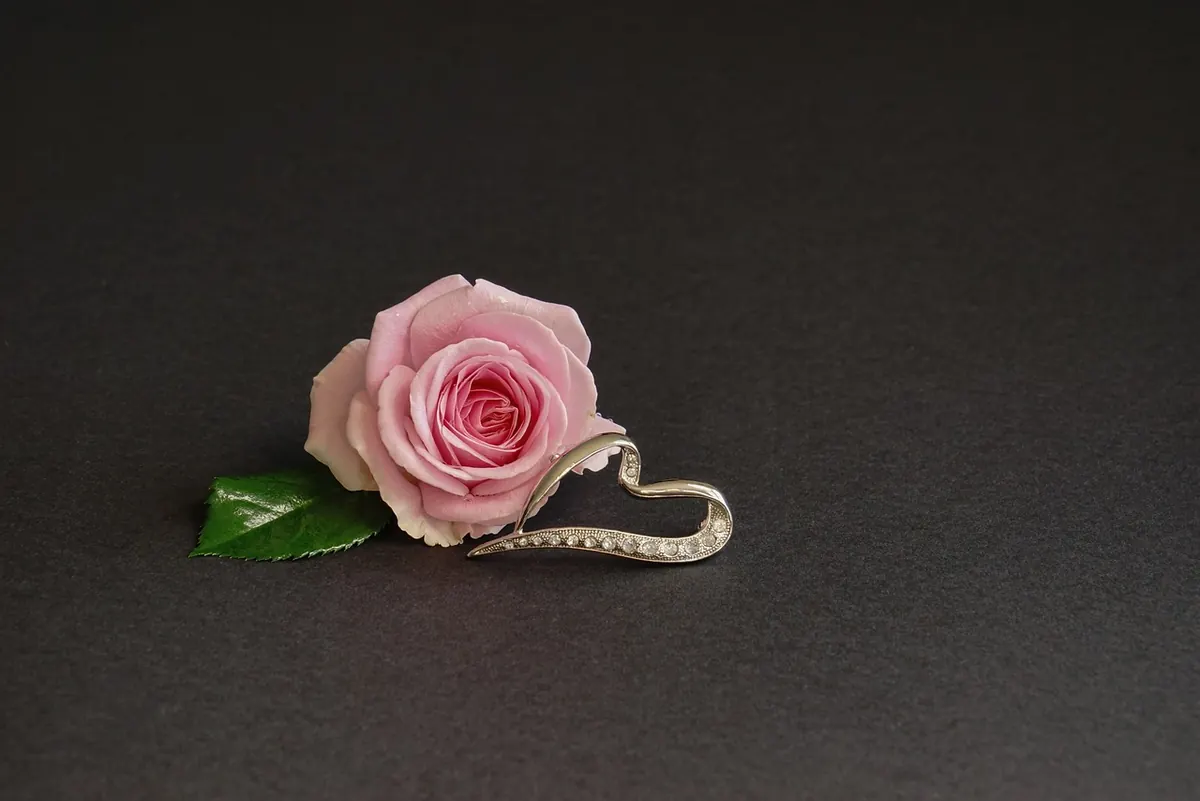
Most crystal damage happens quietly. A rose quartz point that sat on a south-facing windowsill all July doesn't crack or smoke; it just comes back paler than it went out. A pyrite cluster left in a humid corner grows a soft fur of rust over one winter and there's no polishing it off. Nothing dramatic. Just a slow subtraction. The reassuring part is that cleansing is naturally seasonal anyway: light, heat and humidity change what each method can safely do, so matching the technique to the month costs nothing and protects the pieces you actually care about.
Before the Calendar, Read the Stone
Season is the second question, not the first. Three properties decide what a stone can take.
- UV sensitivity. Some colours are fugitive; prolonged direct sun fades them permanently, because the colour comes from trace elements or radiation-induced colour centres that light can undo.
- Porosity and solubility. Porous or water-soluble minerals absorb moisture, salt and resin, and some simply dissolve.
- Heat and fracture. Stones with internal cracks or inclusions dislike quick temperature changes, and heat can drive water out of hydrous minerals.
If you don't know what a piece is, treat it as fragile: moonlight and smoke are the conservative choices, and sun is the one to skip. Keep a note of anything that faded last year. A five-line list on your phone will save the next amethyst.
Spring: Light, Air and a Gentle Reset
Spring sun is still soft in most northern latitudes, which makes March to May the safest window for longer sunlight sessions — twenty minutes rather than five. It's also the season to air out whatever spent winter near a radiator. Open the window, dust with a dry soft brush or a microfibre cloth, and let hard, water-safe stones like quartz, jasper or agate have a lukewarm rinse with a drop of mild soap. Dry them immediately with a cloth; don't let them sit wet on a sill.
Keep the water-sensitive pieces well away from open windows and spring rain. Selenite, halite, opal, malachite, azurite and turquoise all suffer from damp, and a single overlooked shower can leave a chalky bloom on selenite that never quite goes. Spring is also when to check on metal-bearing stones — pyrite, marcasite, chalcopyrite — for the first hint of rust, and to move them somewhere drier.
Summer: The Season That Fades Colour
This is the one to be careful with. UV is at its strongest, and an ordinary window is not the protection it feels like: glass filters some ultraviolet, but not all of it, and a stone can fade through a closed window just as surely as on a balcony. A few hours is usually harmless. A few weeks is not.
Treat these as shade-only from June to August, and be cautious with any dyed or heat-treated stone:
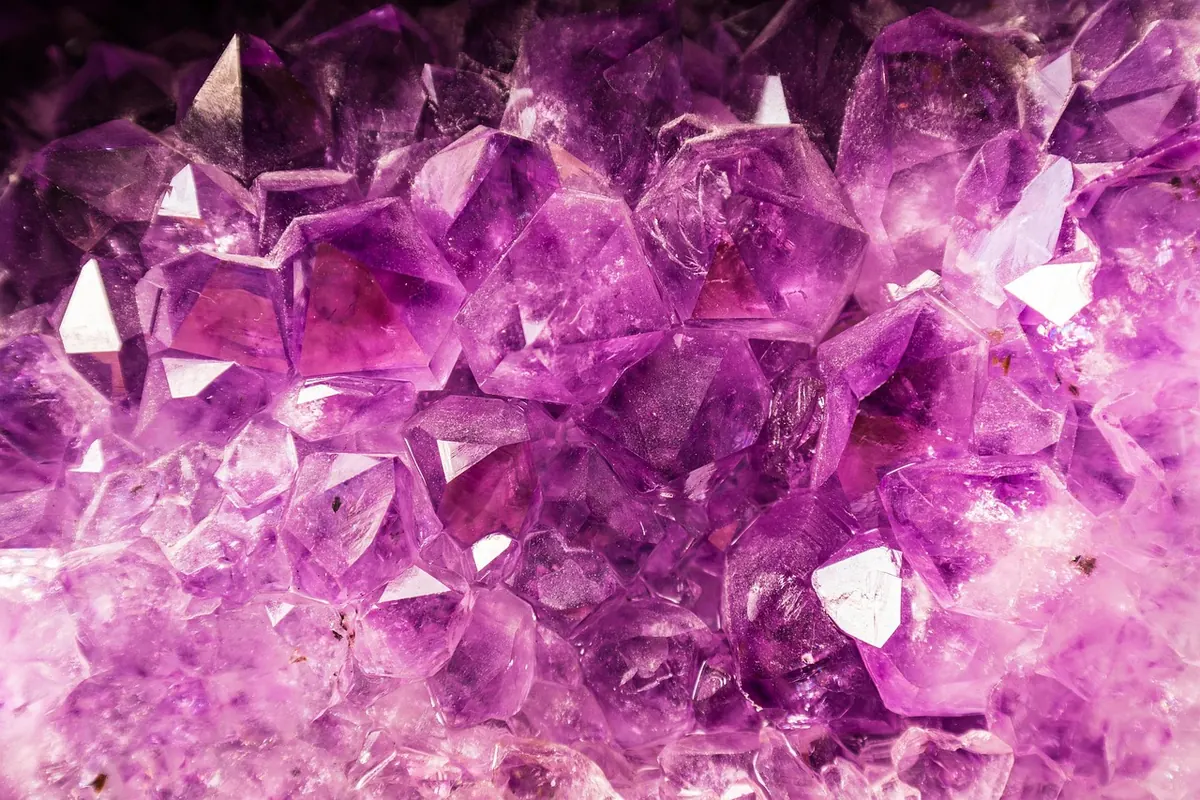
- Amethyst, rose quartz and smoky quartz
- Fluorite, kunzite, hiddenite, topaz and aquamarine
- Opal, turquoise, peridot and many calcites
Heat matters as much as light. Don't leave stones in a car, on a dashboard or against a radiator, and never move a sun-warmed stone straight into cold water — thermal shock can crack quartz along an existing fissure. If you want the look of summer light on a shelf, ten minutes in early morning or after five in the afternoon is plenty.
Autumn: Smoke, Resin and the Return of Routine
As the light drops, smoke becomes the most practical method. It works indoors, needs no weather, and suits almost every mineral — with two caveats. First, ventilation: resin and herb smoke irritates lungs, so keep a window open, keep the session short, and don't do it in a small room with anyone who has asthma or a smoke sensitivity. Second, residue. Porous stones such as howlite, opal and turquoise will pick up soot and the smell of resin, so pass them through the smoke rather than holding them close to the flame, and wipe them with a dry cloth afterwards.
Cedar, rosemary, mugwort and frankincense resin all work well; if you use palo santo, buy small amounts from a source that states where the wood came from. Autumn is also a good moment to reorganise: bring summer's sun-sensitive pieces back into rotation, clean the shelf, and check that nothing is sitting in a puddle of condensation near a window.
Winter: Dry Rooms, Wet Cold, and Indoor Light
Winter is a moisture problem disguised as a light problem. Indoors, heating dries the air; outdoors, freezing temperatures can do real damage. Water trapped in a hairline fracture expands when it freezes, and a stone left on a balcony overnight may come back with a crack that wasn't there before. Bring everything in before dark.
Condensation is the quieter risk: a cold windowsill in a warm room stays damp for hours, which is bad news for halite, selenite and anything hygroscopic. Keep those stones away from windows entirely in winter and store them with a sachet of dry rice or silica gel nearby. Cold, clear nights are excellent for moonlight, though — just do it indoors behind glass, or bring the stones back in before the frost settles.
The Three Methods, Step by Step
Sunlight
Twenty to forty minutes in early morning or late afternoon light, not midday. Place the stone on a dry cloth, not directly on stone or metal, and check it after ten minutes the first time. If you want a gentler version, lay a sheet of white paper over the piece; it filters a useful amount of light while still giving the bright, clean feel people are after.
Moonlight
Set stones out on the night of the full moon, ideally the night before and after as well. This works perfectly well indoors on a windowsill, and it's the safest method for fade-prone and water-sensitive minerals alike. Skip the folk advice about leaving stones out in the dew — dew is just water, and it's the wrong thing for opal, selenite or turquoise.
Smoke
Light a stick or a small piece of resin, let the flame go out and the ember settle, then pass each stone through the smoke three to five times over twenty or thirty seconds. Set the stone down, wipe any soot from the surface, and air the room. Work over a fireproof dish, away from curtains, children and pets.
A Simple Yearly Rhythm
You don't need a strict calendar. You need a habit that shifts with the weather.
- Monthly: a quick dust and a look for rust, cloudiness or chalky bloom on any stone.
- Spring: a longer sun session for sturdy pieces, and a wash for anything water-safe.
- Summer: shade only for the fade-prone list; nothing in a hot car.
- Autumn: smoke-clean indoors, with the window open, then wipe down porous surfaces.
- Winter: moonlight behind glass, dry storage, and no stone left near a cold window or a radiator.
When in doubt, choose the gentlest option and shorten the session. Stones are patient; a decade of careless summers is not the same as one careless afternoon, and small habits compound in your favour.
Photo: Rastislav Durica / Pexels