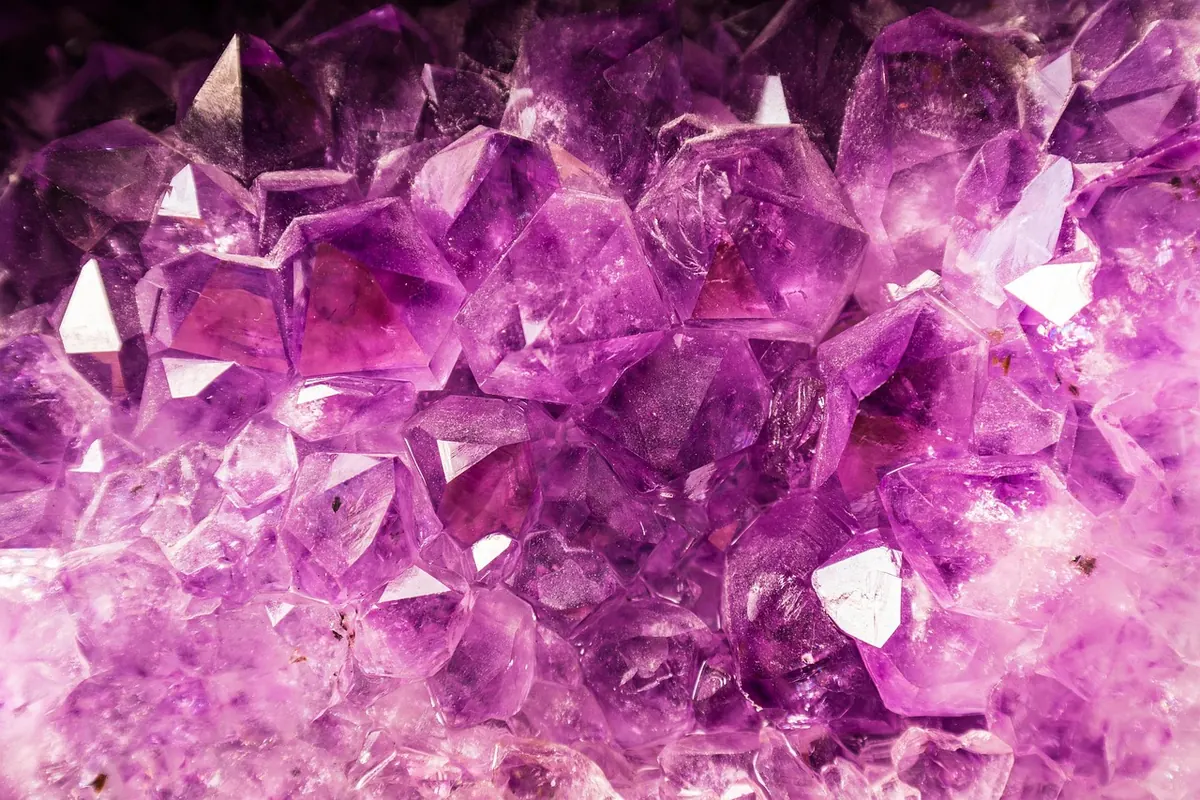
Two trays sit side by side at a mineral show: one filled with rough amethyst points still wearing their dusty purple skin, the other with faceted amethyst that throws light across the table. A beginner usually reaches for the shiny tray first. Then the price tags, and the questions start. Why is the rough piece sometimes the more expensive one? Will a raw stone survive daily wear? Does polishing add value, or just remove weight?
There's no universal winner. Raw and polished gemstones are two different products made from the same material, and the right choice depends on what you want the stone to do: sit on a shelf, travel in your pocket, or hold a place on your hand for the next twenty years. Here's how the two compare on the things that actually matter at the point of sale.
Appearance: What Polishing Changes, and What It Can't
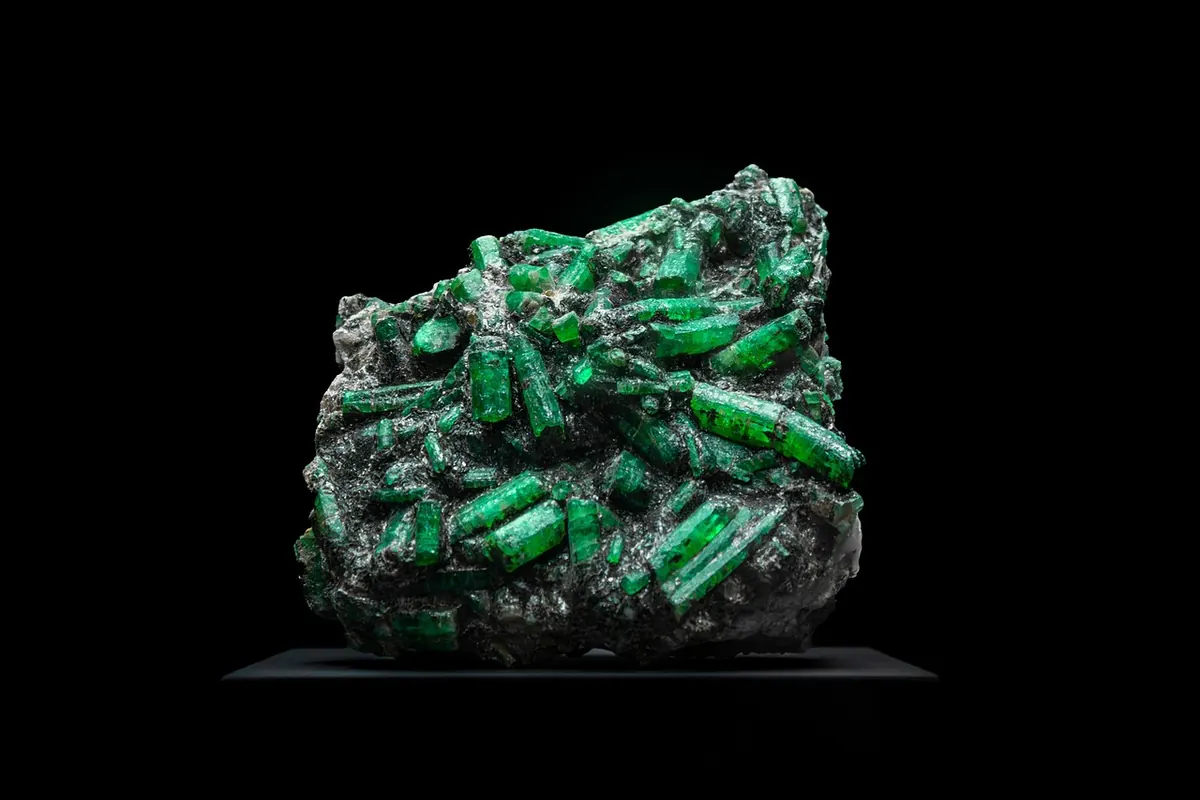
Rough gemstones keep the record of how they formed: growth lines, crystal faces, inclusions, color zoning, and often a crust of matrix still attached. A raw crystal reads as geological. Color is usually deeper and flatter than buyers expect, because a rough surface scatters light instead of letting it pass through. A quick trick at a dealer's table: wet your fingertip and touch the stone, or ask to see it under a drop of water. The color jumps immediately, and you get a fair idea of what a polished version would look like.
Take two amethyst pieces from the same parcel and the difference becomes obvious. The rough point may look almost black until it is wet, while the faceted stone shows flashes of violet from across the room. That is not because the cut stone is better material. It is because the surface has been changed to manage light.
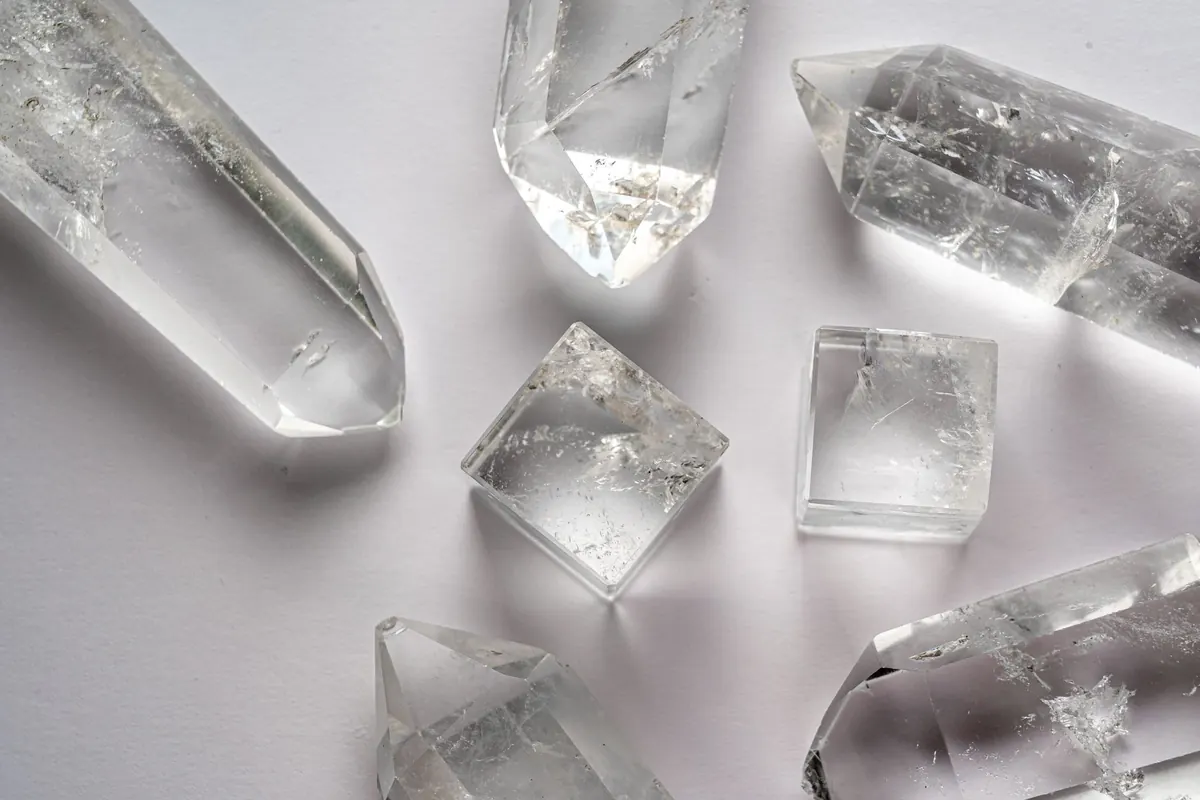
Polishing grinds away that scattering surface. On a cabochon, the result is a smooth dome that shows color and internal patterns cleanly. On a faceted stone, light bounces inside and returns through the table, which is why faceted material looks brighter than the same rough. Polishing also makes flaws legible. A fracture that disappeared in a rough piece becomes a bright white line once the surface is smooth, and inclusions that read as character in a specimen read as clarity issues in a gem.
What polishing can't do is create color that isn't there or heal a structural crack. Stones with serious fractures often end up tumbled or stay raw for a reason. Some materials — soft, fibrous, or heavily included — simply look better unfinished, where the eye reads texture instead of surface.
Care and Handling: Two Different Routines
Raw stones are forgiving in one sense and fussy in another. They don't show fingerprints the way a polished face does, but they collect dust in every crevice, and porous or soft species absorb oils from your hands. Cleaning means a soft brush, lukewarm water, and a mild soap, then a long dry, because trapped moisture in a rough cluster can leave stains or feed corrosion on sulfide specimens such as pyrite.
Polished stones wipe clean in seconds, but the surface is what you're protecting. Facet edges chip, polish dulls, and soft material scratches if it shares a pouch with quartz. Ultrasonic cleaners and steam are out for most colored stones, and out entirely for anything fractured, treated, or water-sensitive.
- Keep raw and polished pieces in separate compartments; hardness differences cause most accidental damage.
- Skip water altogether for halite, gypsum, and any specimen you haven't identified — some dissolve or dehydrate.
- Store away from direct sun; several colored stones fade over months rather than days.
- Check a rough specimen with a loupe before and after handling; a fresh chip on a crystal point is easy to cause and easy to spot.
- Work with clean, dry hands and set the stone down on a soft surface instead of sliding it across a table.
Price: What You're Really Paying For
Raw and polished stones are priced on different logic, which is why comparing them by weight alone goes wrong.
Rough stone valuation
Rough is judged as a specimen first. Buyers look at crystal form, completeness, luster, matrix, damage, and size. A terminated crystal with sharp edges and no bruises can be worth several times a broken piece of the same weight. Locality matters too: collectors pay for a known mine or region, and a labelled specimen carries value an unlabelled one does not.
Cut stone valuation
Polished material carries the cost of loss and labor. Cutting a clean faceted stone from rough can consume a large share of the original weight, and the cleaner and larger the rough had to be, the rarer the result. Color saturation, clarity, cut quality, and size do most of the work here. A small, vivid stone with no visible flaws can easily outprice a palm-sized piece full of fractures.
A useful example is tourmaline. A rough crystal with a strong pink core and a green rind may be a collector's piece as it stands, but cutting it into clean stones might mean losing most of the material to cracks and color zoning. The cutter has to decide which product is worth more: the specimen or the finished gems. That decision is already built into the price you see.
Treatments belong in this conversation. Heating, irradiation, dyeing, and fracture filling are routine, and a seller should say when a stone has been treated. Ask directly and expect a clear answer. If you're spending serious money, treat a gemstone purchase as a purchase rather than an investment, get any valuation in writing from a qualified professional, and don't rely on promises about future value.
Raw Gemstones in a Collection
For collectors, rough is usually the more informative object. A raw crystal shows habit — the shape a mineral takes as it grows — plus growth patterns and associations with other species on the same matrix. Display pieces tend to be rough because the point is the formation, not the finish. Teaching sets, locality collections, and anything organized by species lean on rough material.
There's a handling advantage too: you can pick up a rough quartz point, turn it in the light, and see something new without worrying about a polished face. Just put it down gently. A small label with the species and locality adds more long-term value than most beginners expect, especially if the specimen came from a mine that is no longer producing.
Polished Gemstones in Jewelry
Jewelry is where polished stones earn their keep. A smooth surface sits comfortably against skin, resists snagging, and lets a setting hold the stone securely while showing off its color. That is why almost every ring, bracelet, and necklace stone is polished, even when the same material is sold rough on the next table. A cabochon is often the better choice for opaque or patterned material, while a faceted cut suits transparent stones that can return light.
For earrings and pendants, a tumbled or polished stone can also be the practical choice: it is light, smooth against clothing, and easy to clean. The trade-off is that a polished stone shows wear sooner. A facet edge can chip on a doorframe, and a soft stone can lose its shine after repeated contact with skin and lotions.
Matching the Stone to the Job
Before comparing prices, decide what the stone is for. The same material can be a poor choice in one role and an excellent one in another.
- Display or study: choose rough. Crystal form, matrix, and locality are the point, and a raw piece is usually the more informative specimen.
- Everyday jewelry: choose polished, and favor a durable species such as quartz, corundum, or beryl over soft material that will scratch or dull.
- Pocket or handling stone: choose tumbled or smooth polished pieces; rough points can chip, and sharp edges wear down with constant handling.
- Learning the material: buy one of each. A rough piece shows the natural structure, and a polished piece shows what the material can become.
A Practical Buying Checklist
At a show or shop, slow down and compare like with like. A few simple checks will keep a shiny surface from making the decision for you.
- Ask what the stone is, where it is from, and whether it has been treated.
- Look at both sides of the piece; damage is often hidden at the base or back.
- For rough, check crystal terminations and matrix; for polished, check facet edges and surface scratches.
- Wet a rough stone or view it under strong light to judge the color inside.
- Compare prices by category — specimen versus finished gem — not by weight alone.
- Buy the piece you can care for, not the one that looks best under display lights.
If you cannot say what you will do with the stone after you get it home, you are probably buying the tray rather than the stone.
Raw and polished gemstones are not rivals. They are two endings for the same material, and each one rewards a different kind of buyer. Know which ending you want before you reach for the shiny tray.
Photo: Castorly Stock / Pexels