A crystal pendant looks simple enough in a photograph: one stone, one chain, one small box. Then the gift gets worn for a week and the clasp tarnishes green against a wrist, a prong snags a sweater, and the stone turns out to have been dyed a shade that nature never produced. None of these are disasters, but all of them are avoidable, and most of them start with a question nobody asked at the counter or in the checkout window.
Crystal jewelry sits in an awkward place between gemstone buying and fashion buying. The stone may be genuinely lovely and the setting may be inexpensive, or the reverse. Knowing which details actually matter — and which ones sellers tend to leave out — makes the difference between a gift that gets worn constantly and one that lives in a drawer.
Choosing the metal without asking about sensitivities
This is the mistake that ruins more gifts than any other, and it is almost always invisible until the box is open. Nickel sensitivity is common, and earrings are the worst offenders because the post sits in a pierced hole for hours. A pair of pretty studs with plated brass posts can leave someone's earlobes red and itchy by dinner.
"Hypoallergenic" is a marketing word, not a regulated standard. It tells you nothing about what is actually in the metal. Look for specifics instead:
- Sterling silver (925) — a good default for most people, and it can be re-polished when it dulls.
- Niobium or titanium — excellent for very sensitive ears; often used for simple hooks and posts.
- Solid gold — reliable, but check that it is solid and not gold-plated over brass.
- Gold-filled — a thick bonded layer of gold, far more durable than plating, though not the same as solid gold.
- Plated or "gold-tone" — fine for a costume piece, risky for daily wear, since the plating wears through at the high-friction points first: clasps, ring bands, the backs of earrings.
If you know the recipient has reacted to cheap earrings before, spend the extra on the metal and save on the stone. A modest quartz on a sterling chain will be worn for years; a flashy pendant on plated brass may not survive a summer.
Fragile settings and stones in the wrong format
A stone's hardness tells you how it will cope with daily life, and it should drive the format of the piece as much as the budget does. Quartz sits around 7 on the Mohs scale and handles normal wear well. Fluorite, opal, pearl, amber, malachite, and moonstone are considerably softer or more brittle and will scratch, chip, or dull in a ring worn every day.
The safest rule: the more a piece gets knocked about, the harder the stone should be. Rings take the most abuse, bracelets next, then pendants and earrings. A soft, beautiful fluorite is a wonderful pendant and a poor everyday ring.
Settings matter just as much. Four thin prongs on a large stone catch on knitwear and can bend; a smooth bezel — a rim of metal wrapping the edge — protects the stone and never snags. Glued-in stones are common in inexpensive pieces and can pop out with a single drop onto tile. If the recipient is active, clumsy with jewelry, or works with their hands, choose bezel settings, smaller stones, and secure lever-back or screw-back earrings over simple hooks.
Not asking about stone treatments
Very few stones reach a jewelry display exactly as they came out of the ground. Heating is routine and widely accepted for amethyst, citrine, and many others. Irradiation is used to deepen color in some materials. Dyeing is common with howlite sold as turquoise-style beads, and with agate. Fracture filling appears in emerald. Thin coatings produce the iridescent "aura" quartz finishes. Reconstituted stone, glass, and doublets — a thin slice of natural stone glued to a backing — all exist in the same price ranges as the real thing.
None of this is automatically dishonest. The problem is a gift given on a false assumption, or a price paid for something that isn't what it appears to be. Disclosure requirements vary by country and by seller, so the practical move is to ask directly and in writing:
- "Is this stone natural, lab-grown, or reconstituted?"
- "Has it been heated, dyed, irradiated, or coated?"
- "Is the color natural or enhanced?"
A good seller answers without flinching and puts it in the listing. Vague replies, or a claim that everything is "100% natural," are your cue to keep looking. If a piece is bought as a treatment-free gift for someone who cares about that distinction, get the answer before you pay, not after.
Buying from a photograph
Screens flatter stones. Backlighting makes pale amethyst look saturated, strong filters push color, and a macro shot makes a 6 mm cabochon look like a statement piece. Two habits fix this. First, ask for dimensions in millimeters, plus a photo in ordinary daylight next to a coin or a hand. Second, check the return policy before ordering, and avoid final-sale listings for gifts.
Pale stones also read differently against skin than against white photo backgrounds. A milky rose quartz that looks luminous online can look washed out in person; a dark garnet can look almost black indoors. If in doubt, choose the mid-tone stone.
Forgetting the person wearing it
It is easy to fall in love with a specimen and forget the human. A heavy raw cluster on a short chain pulls at the neck and clashes with a work wardrobe. A long dangling earring is impractical for someone who wears headphones all day. A chunky bracelet catches on sleeves and keyboards.
Some practical checks: is the chain length adjustable, or does it at least suit the necklines they normally wear? Is the clasp one they can fasten alone — a lobster claw is easier than a tiny hook? Is the weight reasonable for all-day wear? And on meaning: some people love the folklore attached to a stone, others find it embarrassing. If you are buying partly for supposed health benefits, keep the framing light. Crystal healing is not a substitute for medical care, so if someone is choosing stones to address a health concern, encourage them to speak with a qualified professional as well.
Overlooking care, packaging, and the small extras
The gift isn't finished at the stone. A short care note makes a real difference: keep soft and porous stones away from ultrasonic cleaners and harsh chemicals, store pieces separately so harder stones don't scratch softer ones, and remove jewelry for swimming, cleaning, and the gym. Ask whether the seller includes a polishing cloth or pouch; if not, add one yourself for a few pounds or dollars and tuck in a handwritten line about it.
Also request a gift receipt where possible. Sizing and taste are hard to predict, and a graceful exchange beats a piece that never gets worn.
A five-minute check before you pay
Before the piece goes in the basket, run through this: what exactly is the metal, and are the earring posts solid silver, niobium, or titanium? Is the setting a smooth bezel or thin prongs, and does the stone's hardness suit how the piece will be worn? Has the seller stated any treatments in writing? Do you have real dimensions and a daylight photo? Is the return window open? Does it fit the recipient's daily life, not just the photograph?
Answer those and you have done more diligence than most buyers ever do. The result is a gift that looks good in the box and still looks good two years later — which is, after all, the point of giving a stone that lasts.
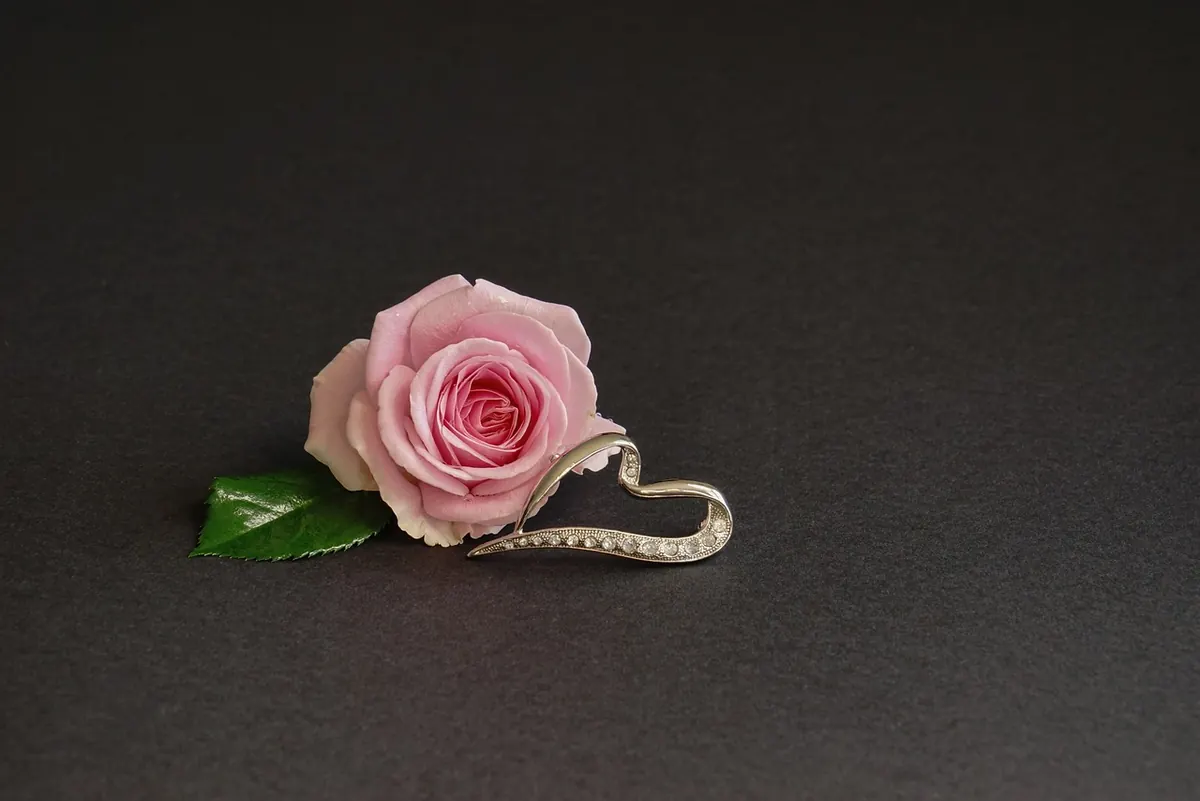
Photo: Katzenfee50 / Pixabay