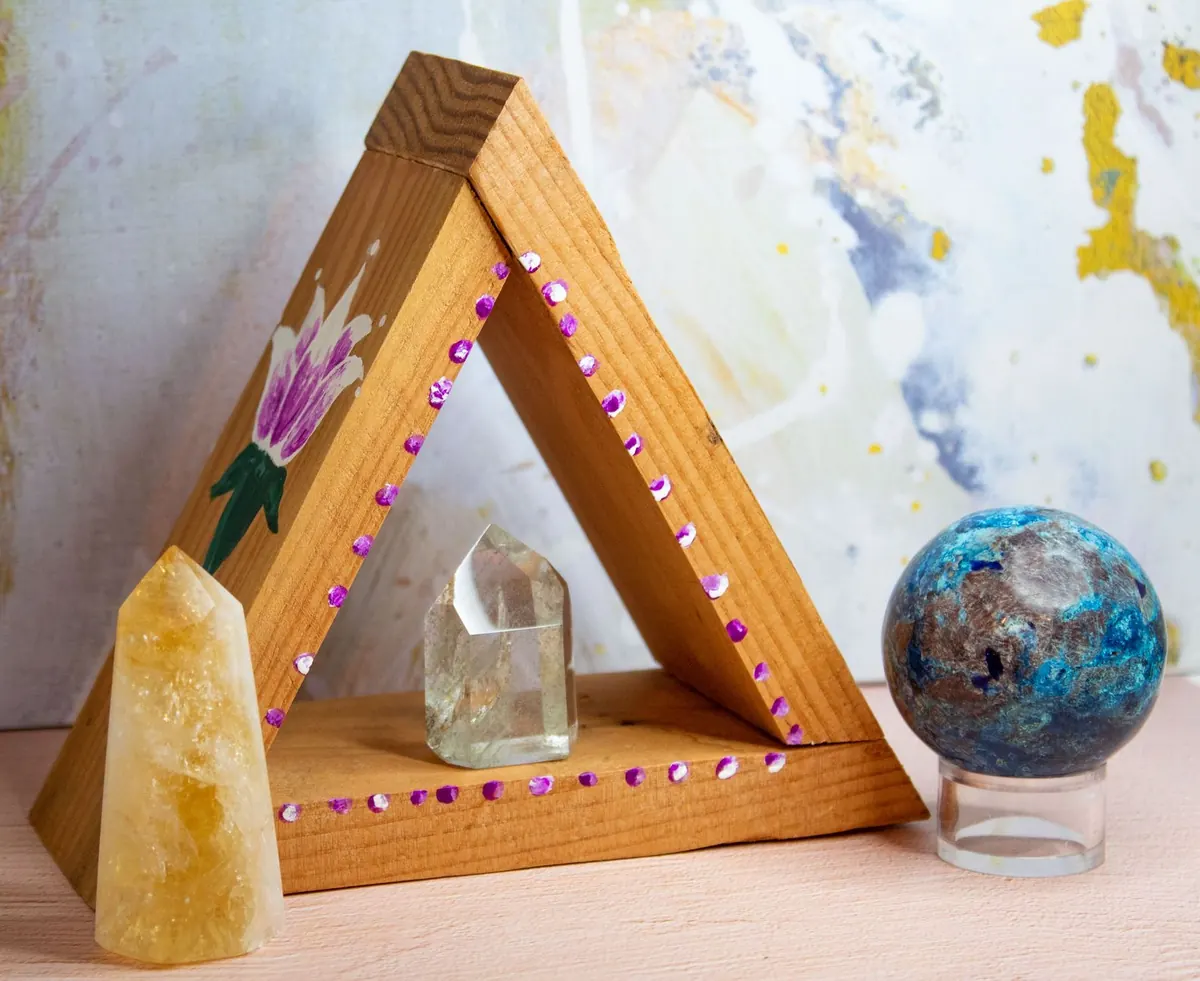
Most good mineral collections start small and slightly lopsided. A piece of amethyst from a museum gift shop, a lump of pyrite bought because it looked like gold, a quartz point picked up on a beach walk. Nobody hands you a budget and a buying plan on day one, and that is fine. What matters is learning to look closely, ask decent questions and spend deliberately. The mineral kingdom is generous at the low end: many of the species that make the most satisfying starter specimens are common, widely available and sold for modest sums. You can build a shelf worth showing people without spending like someone with a locked cabinet and an insurance policy.
Set a Number Before You Fall in Love With a Specimen
The single most effective budget tool is a number decided in advance. Decide what you can spend each month on rocks, and treat it as a ceiling rather than a target. A small, steady amount beats one impulsive purchase followed by three months of regret. Keep a running wish list on your phone so that when money is available you already know what you want.
It also helps to split the money into buckets, because specimens are only part of the cost:
- Specimens — the obvious one. Most of your budget belongs here.
- Storage and labels — small boxes, foam, a label maker or simply index cards and a pen.
- Getting there — show entry fees, parking, shipping on online orders.
- A reserve — a little set aside for the one piece you will still want in a year.
There is a real argument for buying fewer, better pieces rather than filling a shelf with whatever is cheapest. Both approaches work at the start. Just be honest about which one you are doing, and do not let a bargain bin quietly become your whole collection.
Why Some Minerals Cost Almost Nothing
Mineral prices follow a rough logic, and once you understand it, "cheap" stops sounding like an insult. Price reflects how abundant a species is, how large and clean the piece is, how attractive it looks, where it came from, how much preparation it needed, and whether it has been repaired or treated. Marketing sits on top of all that.
Quartz, calcite, fluorite and pyrite are extremely common. That is exactly why you can buy a well-formed, undamaged example of any of them for a small sum. A rare species, meanwhile, can be affordable in a thumbnail-size piece — under roughly three centimetres — because size drives price far more sharply than rarity does. If you want variety rather than furniture, small specimens are your best friend.
Locality carries a premium too. A fine specimen from a famous, exhausted locality can cost many times more than an equally pretty piece of the same species from somewhere less fashionable. For a beginner, the less fashionable piece is often the better buy: same beauty, same mineralogy, far less money. And keep in mind that aesthetic judgement is yours. You are allowed to prefer the piece nobody else bid on.
Twelve Reliable Starter Specimens
These are common, stable, easy to identify and widely available in decent quality. None of them requires a specialist budget.
- Quartz — clear points, clusters, smoky and milky varieties; the backbone of any collection.
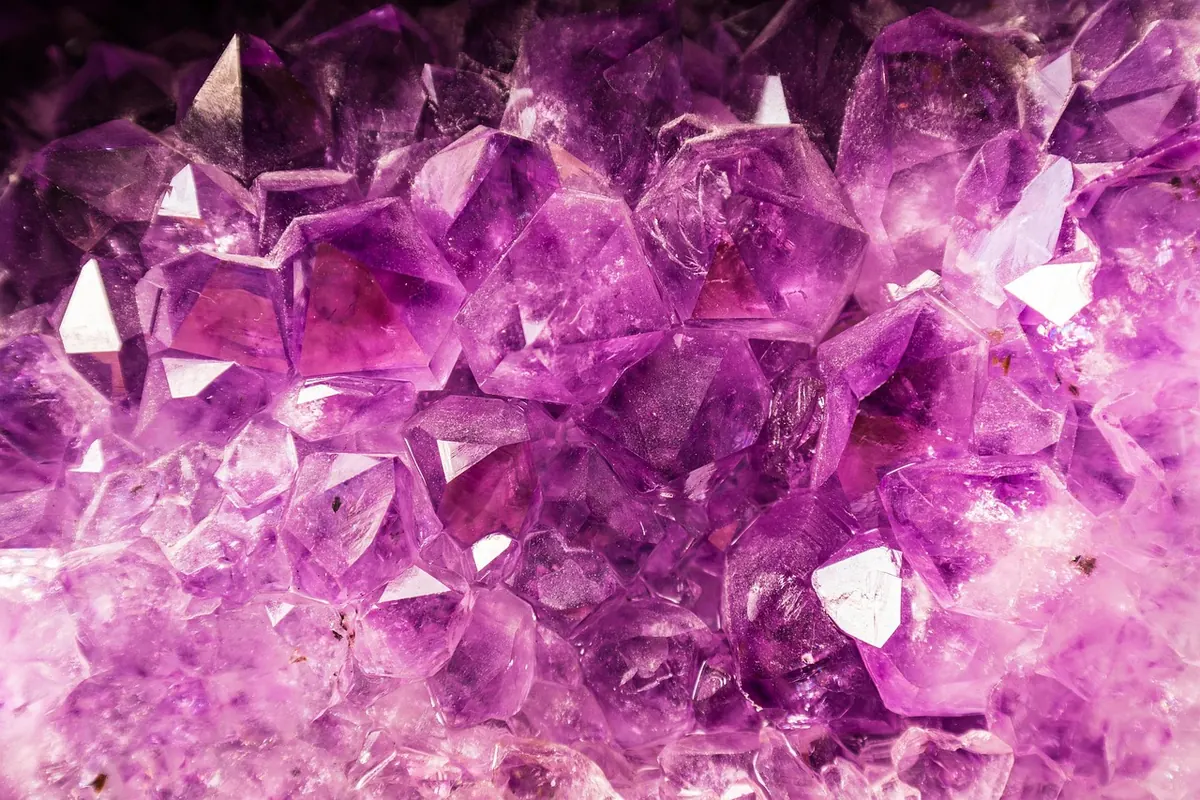
- Amethyst — purple quartz, common in small clusters and single points.
- Fluorite — comes in greens, purples and blues, often with neat cubic shapes; soft, so handle gently.
- Calcite — endlessly varied in form and colour, and usually inexpensive.
- Pyrite — metallic cubes that catch the light; keep it dry.
- Hematite — heavy, grey-black, frequently sold as tumbled pieces or as bright specularite.
- Gypsum — including satin spar and the clear blades sold as selenite; very soft.
- Halite — natural salt, usually pink or colourless; must be kept away from moisture.
- Obsidian — volcanic glass, cheap, glossy, and lovely in small polished pieces.
- Aragonite — often sold as sputnik-like clusters or white branches.
- Barite — heavy, tabular crystals, frequently affordable in small cabinet sizes.
- Chalcopyrite — the iridescent "peacock ore" look, though true bornite is scarcer than the name suggests.
Pick three or four to begin with, chosen because you actually like them. Depth in a couple of species is more interesting than a shallow sample of twenty.
Where to Buy Without Getting Burned
Local gem and mineral shows are the best classroom a beginner has. You see hundreds of specimens in person, compare prices across dealers in an afternoon, and can pick pieces up. Club sales and rockhound society events are cheaper still and often come with people happy to explain what you are holding. Museum shops are convenient and reliable but tend to be priced for gifts rather than for collectors.
Buying online works if you are careful. Look for listings that state the species and the locality, show several angles, and include something for scale. Ask for a photo in daylight if the shots look heavily lit. Buy from sellers who answer questions outright, and combine orders to reduce shipping — rocks are heavy, and postage can quietly double the cost of a small purchase.
Whatever the setting, three questions do most of the work: What exactly is it? Where is it from? Has it been repaired or treated? A dealer who answers all three without hesitation is usually worth returning to.
Spotting Overpriced or Misdescribed Pieces
Some of the most common beginner mistakes are not about money at all; they are about not knowing what is in front of you. Watch for these:
- Coated quartz. So-called "aura" quartz has a human-made metal coating. It can be pretty, but it is not a natural colour and should not carry a natural-specimen price.
- Dyed agate slices and dyed geodes. Fine as decorative objects, overpriced when sold as though the colour were natural.
- Heat-treated amethyst sold as citrine. Most commercial "citrine" is amethyst that has been heated. Natural citrine exists and costs far more.
- "Rare" labels on common material. Quartz, calcite and pyrite are not rare. Check a reference before believing a claim.
- Hidden repairs. Look along edges and at the base for glue lines, mismatched grain or a suspiciously neat join. Repairs are acceptable if disclosed.
- Filters and flattering light. Saturated photos, purple backlighting and pure white backgrounds can make a grey specimen look vivid.
- Vague naming. "Healing stone" or "energy cluster" tells you nothing about species or origin.
- Price by weight on common minerals. For abundant species, you are paying for form and condition, not grams.
One more caution: if you ever start thinking of specimens as an investment, treat that as a separate hobby. Talk to a qualified appraiser or an established dealer rather than relying on forum enthusiasm.
Store and Label What You Buy
Write the species and locality on a card the day the specimen arrives, and keep the card with the piece. Labels get lost, memories blur, and an unlabelled specimen loses much of its interest. A photograph of each piece next to its label takes a minute and saves arguments later.
Storage is mostly about avoiding damage. Keep pieces in individual boxes or on foam so they do not grind against each other. Soft minerals such as fluorite, gypsum and calcite scratch easily, so no loose piles. Amethyst and fluorite can fade in strong, sustained sunlight, so skip the south-facing windowsill. Halite needs dry air. Pyrite is happiest away from humidity, where it can develop rusty decay. Do not wash everything you buy, and never use vinegar or acid on carbonates.
Let the Collection Grow Slowly
Revisit your wish list every few months and notice what has changed. Often the piece you were desperate for in March looks ordinary by September, which is a useful signal that your eye is improving. Trade duplicates with other collectors, join a local club, and consider field collecting — with permission, on land where collecting is allowed, and with the rules checked first.
Aim to add one genuinely good specimen a year rather than a dozen forgettable ones, and let the rest come from modest, curious buying. The collection that lasts is not the one assembled fastest. It is the one where every piece on the shelf has a reason for being there, and a story you can still tell.
Photo: Jackie Kabrel / Pexels